How to Travel From Dubai to Abu Dhabi? Every Option Compared
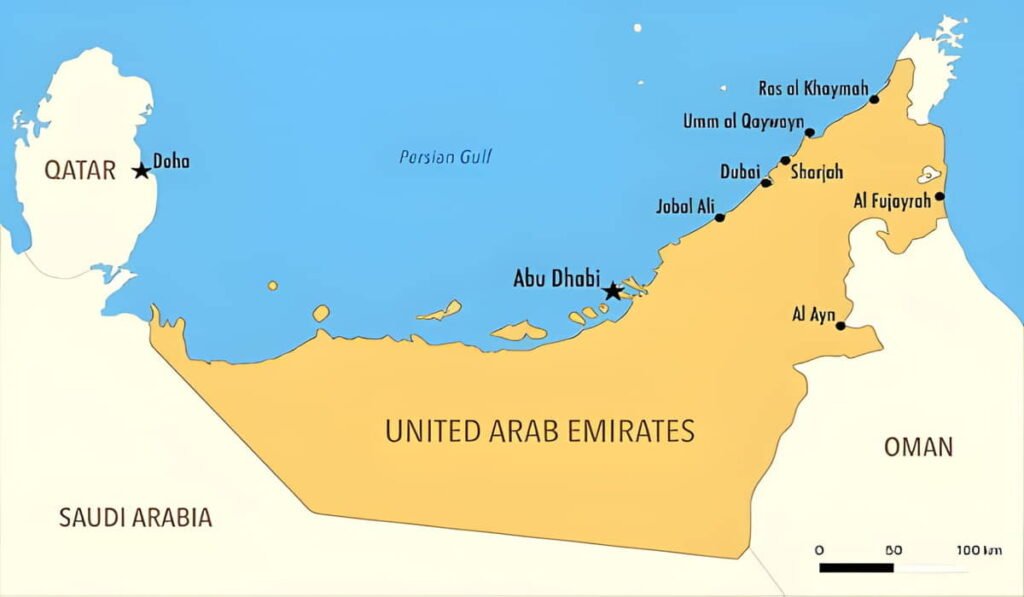
The best ways to travel from Dubai to Abu Dhabi are by car lift, private taxi, shared bus, or driving yourself. The route covers roughly 140 kilometres one way and takes 60 to 90 minutes depending on traffic. Car lift services give daily commuters the best balance of cost, comfort, and door-to-door convenience on this route. Millions of people make this journey every single month. Whether you are a daily commuter, a tourist, or a one-time traveller, knowing your options upfront saves you time and serious money. Here is every option broken down honestly. How Far Is Dubai to Abu Dhabi? The distance from Dubai to Abu Dhabi is approximately 140 kilometres by road. The main route runs along the E11 Sheikh Zayed Road, one of the widest and best-maintained highways in the UAE. Under light traffic, the journey takes around 60 minutes. During morning and evening rush hours, particularly on Sunday mornings at the start of the UAE work week, the same journey can stretch to 90 minutes or more. Plan around peak hours when timing is flexible. Option 1 – Car Lift Service Car lift between Dubai and Abu Dhabi is the smartest travel option for most residents. Multiple passengers share one vehicle on the same route. The total cost splits equally between everyone. You travel door to door without driving yourself or navigating public transport terminals. Per-trip costs run AED 15 to AED 35 per person depending on the platform and how many passengers share the ride. Monthly packages for daily commuters bring the per-trip cost down even further to AED 12 to AED 20. A daily commuter who switches from solo driving to a monthly car lift package saves AED 1,600 to AED 2,600 every single month. Over a full year, that saving reaches AED 19,000 to AED 31,000. No other travel option on this route comes close to matching that monthly saving; that’s the real benefit of car lift services. Car lift services pick you up from your home or office in Dubai and drop you at your specific destination in Abu Dhabi. No walking to bus terminals. No waiting at stations. No parking fees at either end. Always use an RTA-approved, licensed, and legal car lift platform such as Royal Car Lift. Unlicensed informal arrangements through WhatsApp or social media carry no passenger insurance and expose both driver and passenger to legal consequences under UAE transport law. Option 2 – Private Taxi Taxis cover the Dubai to Abu Dhabi route directly from any pickup point across Dubai. No booking app required. Metered fares start from the pickup point and accumulate across 140 kilometres of highway driving. A standard one-way taxi fare from Dubai to Abu Dhabi runs AED 250 to AED 300 depending on traffic, pickup location, and exact destination. Peak hour journeys with heavy traffic push the meter higher. Taxis work well for one-off trips, airport transfers, or occasions where you need immediate transport without advance booking. For daily commuters, taxi costs become completely unsustainable fast. A daily commuter using taxis both ways spends AED 500 to AED 600 every single working day, which adds up to AED 11,000 to AED 13,200 per month. Option 3 – Uber and Careem Uber and Careem both operate on the Dubai to Abu Dhabi route as licensed RTA-approved ride-hailing platforms. App-based booking gives you upfront fare estimates before confirming, which removes the uncertainty of a metered taxi. Standard fares run AED 180 to AED 250 under normal conditions. Surge pricing during morning rush hours, bad weather, or high-demand periods pushes those figures higher. Premium vehicle categories on both platforms cost AED 300 to AED 450 for the same route. Uber and Careem suit occasional travellers and business visitors who need a reliable, trackable, cashless ride without committing to a regular car lift arrangement. For daily commuters, the monthly cost at these rates runs AED 7,920 to AED 11,000, which is still far above a monthly car lift package. Option 4 – Public Bus The E100 and E101 bus routes connect Abu Dhabi and Dubai at the lowest ticket prices available on this route. Buses depart from Abu Dhabi Central Bus Terminal and arrive at Union Square and Al Ghubaiba bus stations in Dubai. Ticket prices run AED 25 to AED 35 per trip. The journey takes two to two and a half hours depending on traffic. Buses run throughout the day with departures roughly every 30 to 60 minutes during peak periods and less frequently in early mornings and late evenings. The catch is that buses drop passengers at fixed terminal locations in both cities. Most homes and offices are not within walking distance of those terminals. Most bus passengers need a taxi or another bus at both ends of the journey to reach their actual destination. That extra cost closes the gap between bus and car lift prices significantly when you count the full journey cost honestly. Buses suit budget-conscious travellers who live or work near the terminal locations and do not mind the longer journey time. They are not practical for daily commuters with specific pickup and drop-off locations far from the terminals. Option 5 – Driving Your Own Car Driving yourself gives complete flexibility over departure time, route, and stops along the way. You go when you want and stop wherever you choose. For one-off trips with luggage or family, your own car is often the most practical option. The real cost of solo driving is higher than most people calculate honestly. Fuel alone runs AED 50 to AED 80 per trip. Add Salik toll charges, parking fees in Abu Dhabi, and the monthly wear on your vehicle, and the true daily commuting cost climbs to AED 2,500 to AED 3,500 per month. Highway driving between Dubai and Abu Dhabi at 120 km/h for 90 minutes every morning and evening is also physically tiring when done five days a week. Many daily drivers underestimate how much fatigue accumulates across a working month.